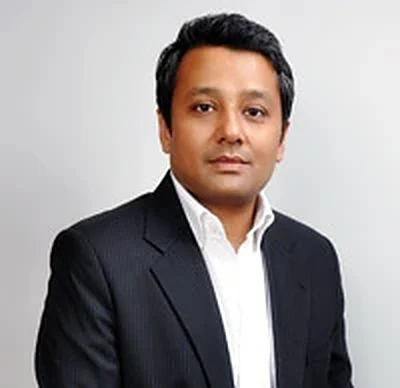
Dr Anupam Sinha
BDS, MDS - Orthodontics
- Delhi State Dental Council registration number A-6723 (2015).
Dental emergency · Greater Kailash 1, Delhi
A dental emergency is a problem that cannot wait for a routine appointment, and acting quickly can save a tooth or stop an infection spreading. At Orion Dental Clinic, a dentist in Greater Kailash 1 (GK 1), South Delhi, this page says what counts as an emergency, what to do in the first minutes for a knocked-out tooth, a broken tooth, bleeding or an abscess, and which signs mean going straight to a hospital, in plain language.
Care is planned by Dr Anupam Sinha (BDS, MDS) and Dr Natalia DeSilva (BDS, MDS). If swelling is spreading, or you cannot swallow or breathe easily, call 112 or go to a hospital emergency department now.
These statements come from NHS patient information, listed at the end of the page. They are general first aid, and your dentist will explain what applies to you.
Medically reviewed by Dr Anupam Sinha, BDS, MDS - Orthodontics, .
Quick answer
A dental emergency at Orion Dental Clinic in Greater Kailash 1, Delhi means a knocked-out tooth, an abscess, bleeding that will not stop, or severe pain with swelling. Call us during opening hours, and keep a knocked-out tooth in milk or saliva. Swelling that spreads, or trouble swallowing or breathing, means a hospital emergency department.
01 Overview
The NHS says a knocked-out adult tooth needs treatment as soon as possible, and that you should ask for an emergency dentist appointment even if you cannot find the tooth.3 A dental abscess, a build-up of pus caused by infection, needs urgent dental treatment and will not clear up on its own.2 Toothache that comes with a swollen cheek or jaw, a high temperature, pain on biting or a bad taste also needs a dentist, and bleeding that will not stop after a tooth has been taken out needs an urgent appointment.15
Some injuries are less urgent. A chipped, cracked or broken tooth is described by the NHS as non-urgent, though you should see a dentist, and any piece that has broken off should be kept in milk or saliva.4 A family doctor can advise on pain relief or an infection but cannot treat the tooth, so a dentist is still needed.14
Our guide to tooth pain explains the causes of toothache, and our page on broken teeth explains repairs. The sections below say what to do at once, and which signs send you to a hospital.
A knocked-out tooth, an abscess, bleeding that will not stop and swelling that spreads are the emergencies.
02 Candidacy
Read the right-hand column first. Those signs are for a hospital, not a dental appointment.
Swelling that spreads or affects breathing, swallowing or the eye goes to hospital, and the rest goes to the dentist.
03 Options
These are the NHS first aid steps. Call us as soon as you can after you have done them.
Hold the tooth by the crown, not the root. If it is dirty, rinse it gently in milk, saline or saliva. Try to put it back into the socket, and if it goes in easily, bite gently on a clean cloth to hold it. If it will not go back, keep it in milk or saliva.3
Act quickly 3
Never put a baby tooth back in after it is knocked out, because it can damage the adult tooth growing underneath.3
| Knocked-out tooth | Broken tooth | Abscess or severe toothache | |
|---|---|---|---|
| Do first | Hold by the crown, rinse in milk, try to replace it 3 | Keep the piece in milk or saliva 4 | Painkillers, soft food, soft brush 12 |
| How urgent | As soon as possible 3 | Non-urgent, but see a dentist 4 | Urgent for an abscess 2 |
| Do not | Put a baby tooth back; touch the root 3 | Rely on a family doctor alone 4 | Wait if swelling spreads, go to hospital 12 |
The first aid is simple, and getting to a dentist quickly is what matters most.
04 Procedure
Every emergency is different, so the steps may differ. This is the usual order.
The emergency is dealt with first, and the longer-term plan comes after.
Call us during opening hours and say what has happened, whether there is swelling, a fever or bleeding, and whether you have the tooth or piece. We will say when you can be seen.
Bring a knocked-out tooth or broken piece in milk or saliva, and any medicines you take.34
The dentist asks about the injury or pain, your health, medicines and allergies, and any head injury or other symptoms.
The dentist examines the teeth and gums, checks the tooth position and takes an X-ray to check for root damage.3
A knocked-out tooth is usually cleaned, put back and splinted to the teeth either side. An abscess is drained, usually under local anaesthetic, and a broken tooth is repaired or covered.234
A follow-up is arranged, about two weeks after a replanted tooth, for further treatment such as root canal treatment and to remove the splint.3
If a tooth cannot be saved, a temporary denture may be fitted while the socket heals, with a bridge or an implant as later options.3
05 Aftercare
These are the NHS self-care steps. They ease symptoms and protect the tooth, but they do not replace a dentist.
Take ibuprofen or paracetamol, within the recommended dose. Children under 16 should not take aspirin.12
Press firmly on any bleeding for at least 10 minutes.5 If it will not stop, seek urgent help.
Call the clinic on 098115 01995 during opening hours for a knocked-out tooth, an abscess, bleeding that will not stop, or severe toothache with a swollen cheek or jaw, a fever or a bad taste. Outside opening hours, or if you have swelling around the eye or neck, trouble breathing, speaking or swallowing, or changes in eyesight, call 112 or go to a hospital emergency department, and ask someone to take you rather than driving yourself.
Ease the pain, protect the tooth and get to a dentist quickly, or to a hospital if the signs are serious.
06 Limits and risks
First aid buys time. It does not treat the cause, and some emergencies are not for a dentist. These are the limits:
In these cases a hospital emergency department is the right place, and a dentist will see you afterwards.
An abscess will not clear on its own. It needs urgent dental treatment, and swelling that affects breathing, speaking or swallowing, or the eye, needs a hospital emergency department.2
A knocked-out tooth may not be saved. The NHS says the dentist usually puts it back and splints it, and arranges a follow-up in about two weeks, sometimes with root canal treatment, and if it cannot be saved, a bridge or an implant may be options.3
Painkillers hide the cause. The NHS advises seeing a dentist if toothache lasts more than two days or does not ease with painkillers.1
Bleeding after an extraction can be serious. The NHS says bleeding that will not stop, severe or worsening pain and swelling, or pain with a bad taste, a high temperature or feeling unwell need an urgent dentist.5
First aid is the first step, and speed in reaching a dentist, or a hospital for the serious signs, is the second.
07 Your visit
When you come in, a dentist at Orion Dental Clinic asks what has happened, when it happened and whether you have swelling, a fever or bleeding. You are asked about your health, medicines and allergies, and any head injury.
The dentist examines the tooth and the teeth around it and takes X-rays where needed. You then talk through what is needed now, what can wait, what the risks are and what the follow-up will be, and nothing is done until you agree.
Call as soon as you can, and bring the tooth or piece in milk or saliva.
08 Why this clinic
You meet the doctors who treat you, and you can ask them what they can do and what you should do next.
Dr Anupam Sinha
BDS, MDS - Orthodontics

Dr Natalia DeSilva
BDS, MDS - Oral Medicine and Radiology
Dr Anupam Sinha and Dr Natalia DeSilva see patients with injured and painful teeth, and patients mention both in their reviews.
A patient visiting from abroad describes needing a wisdom tooth removed at short notice, and being fitted in quickly to the schedule.
Imaging is available at the clinic, so the X-rays used to check for root damage can be taken there.
Call as soon as an emergency starts, and say what has happened.
09 Reviews
“This is an amazing clinic, I live in Singapore and I was in Delhi for the holidays. Needed to get a wisdom tooth removed a bit last minute. They fit me in quickly to their schedule, and the service was incredible and the pain minimal thanks to Dr. Sinha's expertise. Service stands out vs other clinics. What an amazing clinic, I will be back for sure and recommend them to everyone.”
“Excellent experience from start to finish. The doctor is very careful and precise, with clear depth of knowledge and experience. I was made to feel completely comfortable, and the entire procedure was explained to me step by step as it was happening. The follow-up afterward was great too. Highly recommend.”
“I love the hospitality and line of explaination and treatment. They are really good and I highly recommend them. Dr Natalia and her team is fabulous”
10 Visit us
Mon to Sat, 9:30 am to 8:00 pm
Orion Dental Clinic Basement, E 75, Greater Kailash-1,| Monday to Saturday | 9:30 am to 8:00 pm |
|---|---|
| Sunday | Closed |
If you are looking for an emergency dentist in Greater Kailash or nearby, Orion Dental Clinic is in the basement of E 75, Greater Kailash Enclave 1 (GK 1), opposite Anubhav Play School, with the entrance at Gate 1, so call or message us on WhatsApp to book an appointment and use the map for directions. More about the clinic: dentist in Greater Kailash.
11 Travelling patients
If you have a dental emergency while you are visiting Delhi, call us and tell us what has happened. For a knocked-out tooth, act at once and keep the tooth in milk or saliva,3 and for swelling that affects breathing or swallowing, go to a hospital emergency department first.2 We can examine you, take X-rays, treat the emergency and give you written advice and your images to take home.
You can read about how dental tourism in Delhi works.
Act at once, and tell us if you are travelling so that we can plan the follow-up.
12 Questions
Hold it by the crown, rinse it gently in milk, saline or saliva if dirty, and try to put it back. If it will not go in, keep it in milk or saliva, and ask for an emergency dentist.3
No. The NHS says never put a baby tooth back in, because it can damage the adult tooth growing underneath.3
Keep it in milk or saliva and take it to the dentist, who may be able to glue it back on.4
Press firmly on the area for at least 10 minutes. If it will not stop, seek an urgent dentist appointment.5
We are closed on Sundays and outside 9:30 am to 8:00 pm. For serious signs call 112 or go to a hospital emergency department, and call us when we open.
Orion Dental Clinic is an emergency dentist in Greater Kailash 1 (GK 1), in the basement of E 75, Greater Kailash Enclave 1, opposite Anubhav Play School, with the entrance at Gate 1. Patients come for dental emergencies in Greater Kailash from Kailash Colony, CR Park, Nehru Place, Lajpat Nagar, Defence Colony and South Extension. Call or message us on WhatsApp to book an appointment.
13 Second opinion
Call us now and tell us what has happened. Keep any knocked-out tooth or broken piece in milk or saliva, and bring any medicines you take. The dentist will examine you, treat what cannot wait and explain what comes next. There is no form to fill in: message us on WhatsApp or call, and we will say when you can be seen.
14 Related
Read this for repairs and more first aid.
Read this for the causes of toothache.
Read this for treating an infected or injured tooth.
Patient guides
Practical aftercare for the first days and weeks after dental implant surgery, covering food, cleaning, pain relief, activity and when to call your dentist.
A realistic timeline of discomfort after dental implants, from the day of surgery through the first weeks and months, with what helps and when to call.
What good infection control looks like at a dental clinic, how to prepare for a visit and care for yourself afterwards, and questions to ask about instruments.
This page is general information, not a diagnosis or a substitute for an examination, and results vary between patients.