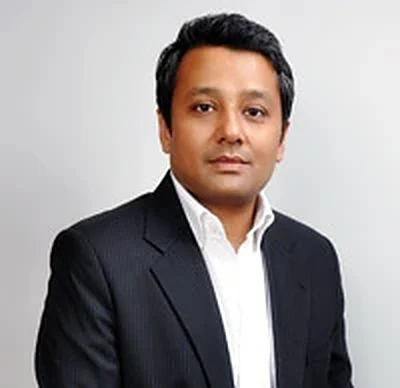
Dr Anupam Sinha
BDS, MDS - Orthodontics
- Delhi State Dental Council registration number A-6723 (2015).
Braces for kids · Greater Kailash 1, Delhi
For many young people, braces are a rite of passage. At Orion Dental Clinic, a dentist in Greater Kailash 1 (GK 1), South Delhi, children's and teenagers' braces are planned by Dr Anupam Sinha, who holds a master's degree in orthodontics. This page explains when braces are usually started, what early treatment does and does not change, how visits and care work, and what can go wrong, in plain language for parents.
Treatment is planned by Dr Anupam Sinha (BDS, MDS), and Dr Natalia DeSilva (BDS, MDS) also sees patients at the clinic. For the wider picture, read our guide to braces treatment. Ask as many questions as you need before you decide.
These statements come from NHS and British Orthodontic Society patient information and from a Cochrane review, listed at the end of the page. Your orthodontist will give the timeline for your child's teeth.
Medically reviewed by Dr Anupam Sinha, BDS, MDS - Orthodontics, .
Quick answer
Braces for kids at Orion Dental Clinic in Greater Kailash 1, Delhi are usually fitted once all the adult teeth have come through. Dr Anupam Sinha plans each case after an examination and records. Fixed braces take 18 to 24 months with visits every six to eight weeks, and early treatment before that is advised only for some problems.
01 Overview
Braces straighten teeth with brackets bonded to each tooth and a wire that applies gentle pressure, so that the teeth move into position over time.2 For many young people, orthodontic treatment is a rite of passage, and the benefits include straighter teeth, a corrected bite and, for many, more confidence.1
Braces are often recommended for children and teenagers once all the adult teeth have come through.2 Fixed braces usually stay on for 18 to 24 months and are followed by a retainer.4 The most common type used in children is metal braces with coloured elastic rings, which children can often choose.4
Some problems, such as prominent upper front teeth, are sometimes treated earlier, in two phases. What that does and does not achieve is explained below. Our page on pediatric dentistry covers the other dental care children need as they grow.
For most children, braces start after the adult teeth have arrived, and early treatment is for specific problems.
02 Candidacy
Braces are often recommended for children and teenagers once all the adult teeth have come through.2 The orthodontist decides after an examination and records, and will say if it is better to wait.
The right time depends on which teeth have come through and on whether your child is ready to look after the braces.
03 Options
There are choices about the type of braces and, for some problems, about when to start.
The most common type for children. Stainless steel brackets are held by coloured elastic rings, and silver rings are available. They are robust, and hard foods can break them.4 See metal braces.
Most often used in children 4
Older teenagers who would like less obvious braces can ask about ceramic braces.
| Prominent upper front teeth | Early treatment, then a second phase | Treatment later, in one phase |
|---|---|---|
| Final overjet once all treatment is finished | No difference 3 | No difference 3 |
| New injuries to the front teeth, functional appliance trials | 19% of children 3 | 30% of children 3 |
| New injuries to the front teeth, headgear trials | 24 of 117 children 3 | 44 of 120 children 3 |
| Number of phases | Two | One |
Early treatment does not change the final result, but for prominent front teeth it can lower the chance of an injury.
04 Procedure
Every case is planned individually, so your child's steps may differ. This is the usual order for fixed braces.24
Braces for children depend on regular visits and daily care, so the whole family is part of the plan.
The orthodontist asks about your child's health and what bothers them, and examines the teeth, gums, jaws and bite. X-rays, photographs or scans help to plan the treatment.2
The orthodontist tells you whether to start now, to wait for more adult teeth to come through, or, for some problems, to begin with an early phase.3
Decay and gum problems are treated first, so that the teeth are healthy when the braces go on.
Brackets are attached to each tooth with dental glue and a wire joins them. Coloured elastic rings hold the wire, and your child can often choose the colours.24
Your child comes back every six to eight weeks to have the braces adjusted.2 Missed appointments can lengthen treatment.5
When the teeth are in position the brackets are taken off and the teeth are left intact.4
All fixed appliance treatment is followed by retention, so your child is given retainers and told how long to wear them.4
05 Aftercare
The orthodontist will give you written advice for your child's braces, and that comes first. These are the basics from NHS trust patient information.5
Soreness and rubbing on the lips and cheeks are normal at first and should ease. Start with soft food cut into small pieces, use comfort wax where the brace rubs, and give pain relief as directed.5
Brush the teeth and gums with fluoride toothpaste twice a day and after all meals, and use an interdental brush or single-tufted brush around the brackets and behind the wires. A fluoride mouthwash once a day, at a different time from brushing, is advised.5
Between meals only plain milk or water. Avoid fizzy drinks, sports drinks, juices and sugary sweets, and hard, sticky and chewy food.5
Ring the clinic as soon as possible and do not wait for the next visit, because breakages can lengthen treatment.5
Parents: ring the clinic on 098115 01995 the same day if a bracket or wire has come loose and your child has pain, if a wire pokes into a cheek or gum, or if the gums look swollen. Keep any broken piece to show us. If a tooth is knocked, or your child has trouble breathing or swallowing, or swelling spreads across the face or neck, go to a hospital emergency department.
Help your child brush around every bracket, keep drinks to water and milk between meals and call early if something breaks.
06 Limits and risks
Braces are a long treatment, and for a child the timing matters. A good orthodontist is willing to say wait. These are situations where braces may be delayed:
In these cases the first step may be treatment of the teeth and gums, a wait for more adult teeth, or an early phase for a specific problem.
Decay and white marks. The trust leaflet warns of a higher risk of decay and gum disease during treatment, and says the first sign of tooth decay is a white mark.5 Sugary food and drink and poor cleaning raise the risk.2
Breakages and a longer treatment. Hard foods can easily break brackets and disrupt treatment, and missed appointments can make treatment take longer.45
Early treatment has limits. In a Cochrane review of 27 trials with 1,251 children and teenagers, early treatment for prominent upper front teeth made no difference to the final result once both groups had finished. It did reduce new injuries to the front teeth, but the evidence was of low to moderate quality.3
Teeth can move back. All fixed appliance treatment is followed by retention, because teeth tend to return towards their old position without it.4
A good plan names these risks before treatment starts, and the retainer protects the result afterwards.
07 Your visit
Parents and children are seen together. A dentist at Orion Dental Clinic asks what worries you or your child about the teeth, and about your child's health, medicines, allergies, habits such as thumb sucking, and earlier dental care. Please bring any earlier X-rays or reports.
The orthodontist examines the teeth, gums, jaws and bite, and may take X-rays or photographs. You are told whether to start now or wait for more adult teeth to come through, and you talk through the types of braces, how long treatment may take, what your child will need to do at home and what a retainer involves.
Sometimes the advice at the first visit is to wait, and you will be told if so.
08 Why this clinic
You meet the doctors who plan your child's treatment, and you can ask them anything.
Dr Anupam Sinha
BDS, MDS - Orthodontics

Dr Natalia DeSilva
BDS, MDS - Oral Medicine and Radiology
Dr Anupam Sinha holds a master's degree in orthodontics (MDS) and belongs to the Indian Orthodontic Society.
Parents describe their children's braces treatment at the clinic in reviews of Dr Anupam Sinha, and patients praise how Dr Natalia DeSilva handles children.
Imaging is available at the clinic, so X-rays for planning can be taken there.
Ask to meet the doctor who will plan your child's braces before you decide.
09 Reviews
“Had a wonderful experience with Dr. Anupam and Dr. Natalia. Went for Braces and RCT and the doctor were thorough with the treatment and follow ups. Will higher recommend Orion orthodontic.”
“Great experience! Dr. Anupam Sinha, my dentist did a wonderful job with my braces and has now started retainers. I am very happy with the results!”
“I had very crooked teeth plus one of my front tooth was broken. I visited Dr Anupam’s clinic in Greater Kailash for my ortho treatment. I had my braces for about 2.5 years post which it is a near perfect alignment. Dr Anupam and the team helped with everything patiently throughout the treatment.”
10 Visit us
Mon to Sat, 9:30 am to 8:00 pm
Orion Dental Clinic Basement, E 75, Greater Kailash-1,| Monday to Saturday | 9:30 am to 8:00 pm |
|---|---|
| Sunday | Closed |
If you are looking for braces for kids in Greater Kailash or nearby, Orion Dental Clinic is in the basement of E 75, Greater Kailash Enclave 1 (GK 1), opposite Anubhav Play School, with the entrance at Gate 1, so call or message us on WhatsApp to book an appointment and use the map for directions. More about the clinic: dentist in Greater Kailash.
11 Travelling patients
Fixed braces need a visit every six to eight weeks for about a year and a half to two years,24 so they suit families who can bring a child to the clinic regularly, including during school terms. If you live in another city or country, tell us where you are and how often you could visit, and we will say frankly whether treatment here is practical.
You can read about braces and Invisalign for international patients.
Start braces only if your family can keep to the visits for the whole treatment.
12 Questions
Not in the final result. In a Cochrane review of 27 trials, children treated early and then again later ended up with the same overjet as children treated once, later. Early treatment did reduce new front-tooth injuries, from 30% to 19% in the functional appliance trials.3
Teeth are often sore for a few days after the braces are fitted and after adjustments, and the brackets can rub the lips and cheeks at first. Soft food, comfort wax and pain relief as directed help.5
Brush with fluoride toothpaste twice a day and after meals, use an interdental or single-tufted brush around the brackets and behind the wires, and use a fluoride mouthwash once a day at a different time.5
Between meals, only plain milk or water. Avoid fizzy drinks, sports drinks, juices, sugary sweets and hard, sticky and chewy food.5
Yes. All fixed appliance treatment is followed by retention, so that the teeth keep their new positions.4
Ring the clinic as soon as possible, and do not wait for the next visit, because breakages can lengthen treatment.5
Orion Dental Clinic is a children's braces clinic in Greater Kailash 1 (GK 1), in the basement of E 75, Greater Kailash Enclave 1, opposite Anubhav Play School, with the entrance at Gate 1. Patients come for braces for kids in Greater Kailash from Kailash Colony, CR Park, Nehru Place, Lajpat Nagar, Defence Colony and South Extension. Call or message us on WhatsApp to book an appointment.
13 Second opinion
A consultation lets you ask whether to start now or wait before you commit to anything. Bring any earlier X-rays or reports if you have them. The orthodontist will examine your child's teeth, explain what they find and describe the options, including doing nothing for now. There is no form to fill in: message us on WhatsApp or call, and we will find a time that suits you.
14 Related
Read this for how stainless steel braces work and what daily life with them is like.
Read this if a parent is thinking about braces too.
Read this for the other dental care children need as they grow.
Patient guides
A plain-language overview of dental braces: why people have them, the main types, how treatment runs, how long it lasts and how to choose what suits you.
Compare the main types of dental implant, from single crowns and bridges to full-arch teeth and implant-held dentures, and what each needs from your bone.
What warm salt-water rinses can and cannot do for your mouth, when dentists suggest them, how to make one and why salt is not a substitute for brushing.
This page is general information, not a diagnosis or a substitute for an examination, and results vary between patients.