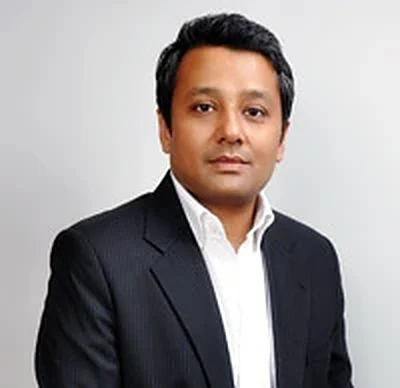
Dr Anupam Sinha
BDS, MDS - Orthodontics
- Delhi State Dental Council registration number A-6723 (2015).
TMJ and migraine · Greater Kailash 1, Delhi
The temporomandibular joint, or TMJ, is the hinge that connects your lower jaw to your skull, and problems with it and the muscles around it are called temporomandibular disorders, or TMD. At Orion Dental Clinic, a dentist in Greater Kailash 1 (GK 1), South Delhi, this page explains the signs, why jaw problems and migraine often occur together, what a recent international guideline recommends and advises against, and what can go wrong, in plain language.
Care is planned by Dr Anupam Sinha (BDS, MDS) and Dr Natalia DeSilva (BDS, MDS). Migraine itself is treated by doctors, and we look at the jaw side. Ask as many questions as you need.
These statements come from NHS patient information, a BMJ guideline and systematic reviews, listed at the end of the page. Your dentist will explain what applies to you.
Medically reviewed by Dr Anupam Sinha, BDS, MDS - Orthodontics, .
Quick answer
TMJ and migraine care at Orion Dental Clinic in Greater Kailash 1, Delhi starts with an examination of the jaw, bite and muscles. Dr Anupam Sinha and Dr Natalia DeSilva see the jaw side of the problem. Self-care, exercises and education come first, and splints and injections are mostly not recommended for long-term pain.
01 Overview
The NHS says temporomandibular disorder affects how the jaw moves, is not usually serious and generally gets better on its own. Symptoms include pain around the jaw, ear and temple, clicking, popping or grinding when the jaw moves, headache around the temples, difficulty opening the mouth fully, jaw locking, and poor sleep. Causes include teeth grinding, wear and tear of the joint, a blow to the head or face, stress and an uneven bite.1
Jaw problems and migraine often go together. In a review with meta-analysis of cross-sectional studies, people with migraine were much more likely to have TMD (odds ratio 6.08), and people with TMD were more likely to have migraine (odds ratio 2.64), with high-certainty evidence for the association.3 The authors advise that clinicians screen for both. An association does not show that one causes the other, and migraine itself needs a doctor.
For long-term jaw pain, the BMJ guideline puts education, exercises, manual therapy and psychological methods first, and mostly advises against splints and injections.2 Our pages on tooth pain and sedation dentistry cover related concerns.
Most jaw problems settle with self-care, and the research favours exercises and education over devices and injections.
02 Candidacy
Jaw pain and clicking are common, and many people need only advice. The dentist decides after an examination.
An examination tells apart a jaw problem from a tooth problem and from headaches that need a doctor.
03 Options
The BMJ guideline for chronic TMD pain, pain lasting three months or more, grades each treatment.2
The NHS advises soft foods, paracetamol or ibuprofen, an ice pack or a hot water bottle, massaging the jaw muscles, relaxing, and avoiding chewing gum, clenching and wide yawns. Your teeth should be apart except when eating.1 The BMJ guideline strongly recommends usual care such as home exercises, stretching, reassurance and education.2
Strongly recommended 2
The guideline strongly recommends cognitive behavioural therapy, therapist-assisted mobilisation, manual trigger point therapy, supervised postural exercise, and supervised jaw exercise and stretching.2 The NHS says a doctor can refer you to a physiotherapist for jaw exercises and massage, or to a psychologist.1
Strong recommendations 2
The guideline conditionally advises against reversible occlusal splints, botulinum toxin and several injections, and strongly advises against irreversible oral splints and discectomy.2 In adults with headaches, a review found low-certainty evidence for a stabilisation appliance and very low-certainty evidence for physiotherapy.4
Mostly advised against 2
If teeth grinding is part of the problem, the NHS says a doctor may refer you to a dentist.1
| Self-care and education | Exercises and therapy | Splints and injections | |
|---|---|---|---|
| What it involves | Soft food, pain relief, relaxing, avoiding clenching 1 | Supervised exercise, manual therapy, CBT 2 | Appliances, botulinum toxin, injections, surgery 2 |
| What the guideline says | Strong recommendation 2 | Strong recommendations 2 | Conditional or strong recommendation against 2 |
| Main limit | Needs daily effort | Needs a trained therapist 2 | Little proven benefit for long-term pain 2 |
The treatments with the strongest support are the least invasive ones.
04 Procedure
Every case is individual, so your steps may differ. This is the usual order.
The plan starts with the simplest steps, and a review shows whether anything more is needed.
The dentist asks where and when it hurts, whether the jaw clicks or locks, whether you clench or grind, how you sleep, and about headaches, stress and any injury.1
The dentist feels the jaw muscles and joints, watches how far and how smoothly the jaw opens, checks the teeth for wear, and takes X-rays where needed.
Tooth, gum and sinus problems can feel like jaw pain, and some headaches need a doctor. Red-flag signs are sent for urgent medical advice.1
You are told what the findings mean and what the guideline says about each choice, including doing nothing and the treatments it advises against.2
You are shown how to rest the jaw, which foods and habits to avoid, and which exercises to do, with a referral for physiotherapy or psychological support if needed.12
If worn teeth, an uneven bite or missing teeth contribute, the dentist explains what could be done and whether it is likely to help.
You come back to see whether the pain and function have improved, and the plan is changed if they have not.
05 Aftercare
Your dentist will give you written advice, and that comes first. These are the basics from the NHS.1
Eat soft foods such as pasta, omelettes or soup. Avoid chewing gum or pen tops, biting food with your front teeth, yawning widely and biting your nails.1
Take paracetamol or ibuprofen. Use an ice pack for up to five minutes at a time, or a hot water bottle wrapped in a towel for 15 to 20 minutes twice a day, whichever feels better.1
Massage the painful jaw muscles and find ways to relax. Your teeth should be apart except when you are eating, so try to stop clenching.1
The NHS lists poor sleep and stress among the problems that go with TMD, and a doctor can suggest relaxation techniques and ways to improve sleep.1
Call the clinic on 098115 01995 if your jaw locks, if you cannot open your mouth enough to eat, or if the pain gets worse. See a doctor urgently if you cannot eat or drink, have frequent severe headaches, pain or tenderness at the side of the head or scalp, or vision problems. If you have trouble breathing or swallowing, or swelling that spreads across your face or neck, call 112 or go to a hospital emergency department.
Rest the jaw, relax the muscles and keep your teeth apart, and seek urgent advice for the warning signs.
06 Limits and risks
Jaw treatment cannot fix every headache, and some treatments do more harm than good. These are situations where another plan is better:
In these cases a doctor's assessment, a diagnosis of the tooth problem or simple self-care for a time may be better.
Splints and injections have little proven benefit for long-term pain. The guideline conditionally advises against reversible occlusal splints, botulinum toxin and several injections, and strongly advises against irreversible oral splints and discectomy.2
The headache evidence is weak. A review of 5 trials in adults with headaches found low-certainty evidence for a stabilisation appliance, very low for physiotherapy, and called for caution because the trials differed.4
Association is not cause. Migraine and TMD occur together much more often than by chance, but the studies are cross-sectional and do not show that treating the jaw relieves migraine.35
Some jaw problems are not caused by the joint. Headache patients were not at higher risk of joint (arthrogenous) TMD, only of muscle and painful forms, so treatment aims at the muscles.5
A good plan starts with the least invasive steps and is honest that the headache part may need a doctor.
07 Your visit
At your first visit, a dentist at Orion Dental Clinic asks about your jaw pain, clicking or locking, headaches, grinding, sleep and stress, and about any injury. You are asked about your health, medicines and any treatment you have already tried.
The dentist examines the jaw muscles and joints, watches how the jaw opens and closes, looks at the teeth and bite and takes X-rays where needed. You then talk through what is likely to be going on, which steps are supported by research, what the clinic can provide, and when to see a doctor about headaches.
The first visit is for an examination and an honest plan, and nothing irreversible is done.
08 Why this clinic
You meet the doctors who examine your jaw, and you can ask them which treatments the clinic provides and which they would advise against.
Dr Anupam Sinha
BDS, MDS - Orthodontics

Dr Natalia DeSilva
BDS, MDS - Oral Medicine and Radiology
Dr Anupam Sinha and Dr Natalia DeSilva see patients with bite and jaw concerns, and patients mention both in their reviews.
If worn teeth, an uneven bite or missing teeth play a part, orthodontic and restorative care can be discussed at the same clinic.
Imaging is available at the clinic, so the X-rays used to look at the jaw can be taken there.
Ask which treatments the clinic provides for jaw pain, and which it would not recommend.
09 Reviews
“I visited Dr Natalia for oral check up . Dr Natalia is very knowledgeable and understand patient’s concerns . She provided me clear reason and resolutions for the issues. Overall it was a very good experience.”
“Had a great experience with Dr. Natalia and Dr. Anupam as well as the rest of the staff. Everybody is very professional and sweet.”
“Dr Natalia and Dr Anupam have been my dentists for many years. They are warm and friendly but also straight forward and honest. They guide you through the procedure while ensuring patient comfort. Friendly staff and a lovely clinic.”
10 Visit us
Mon to Sat, 9:30 am to 8:00 pm
Orion Dental Clinic Basement, E 75, Greater Kailash-1,| Monday to Saturday | 9:30 am to 8:00 pm |
|---|---|
| Sunday | Closed |
If you are looking for TMJ and jaw pain treatment in Greater Kailash or nearby, Orion Dental Clinic is in the basement of E 75, Greater Kailash Enclave 1 (GK 1), opposite Anubhav Play School, with the entrance at Gate 1, so call or message us on WhatsApp to book an appointment and use the map for directions. More about the clinic: dentist in Greater Kailash.
11 Travelling patients
If your jaw hurts or locks while you are visiting Delhi, an examination and advice can usually be given in one visit, and you can take home written self-care instructions and any X-rays. Most of the strongly recommended treatments are exercises and self-care, which can be continued at home,2 so tell us what you have already tried and when you fly.
You can read about how dental tourism in Delhi works.
The examination fits a short stay, and the exercises can be done at home.
12 Questions
The temporomandibular joint, the hinge between the lower jaw and the skull. Problems with it and the muscles around it are called temporomandibular disorders.1
Pain around the jaw, ear and temple, clicking, popping or grinding, difficulty opening fully, locking, headache around the temples and poor sleep.1
The NHS says TMD is not usually serious and generally gets better on its own.1 See a dentist if it does not.
The studies show an association, not a cause. People with migraine were much more likely to have TMD, and people with TMD were more likely to have migraine, in a review with high-certainty evidence.3
For long-term pain, the BMJ guideline conditionally advises against reversible occlusal splints and strongly against irreversible ones.2 Ask your dentist why they would or would not advise one for you.
Education, home exercises, supervised jaw exercise, manual therapy and cognitive behavioural therapy have strong recommendations in the guideline.2
The guideline conditionally advises against botulinum toxin injection for chronic TMD pain.2
If you cannot eat or drink, have frequent severe headaches, pain or tenderness at the side of the head or scalp, or vision problems, the NHS advises urgent medical advice.1
Orion Dental Clinic is a TMJ treatment clinic in Greater Kailash 1 (GK 1), in the basement of E 75, Greater Kailash Enclave 1, opposite Anubhav Play School, with the entrance at Gate 1. Patients come for TMJ treatment in Greater Kailash from Kailash Colony, CR Park, Nehru Place, Lajpat Nagar, Defence Colony and South Extension. Call or message us on WhatsApp to book an appointment.
13 Second opinion
A consultation lets you ask what is behind your jaw pain, and what is worth trying, before you commit to anything. Bring any earlier X-rays, scans or reports, and a note of your headaches if you keep one. The dentist will examine your jaw and bite, explain what they find and describe the options, including doing nothing. There is no form to fill in: message us on WhatsApp or call, and we will find a time that suits you.
14 Related
Read this if the pain may be coming from a tooth.
Read this if clenching and anxiety go together.
Read this for worn teeth and an altered bite.
Patient guides
What bruxism is, the signs of grinding and clenching such as worn teeth and jaw ache, what triggers it, and the habits, night guards and checks that help.
Practical guidance on planning dental implant treatment in India, including what to ask, how long it takes and how to arrange follow-up if you live elsewhere.
What a dental abscess is, the warning signs, why it needs urgent treatment, how it is drained and treated, and when swelling means going to a hospital.
This page is general information, not a diagnosis or a substitute for an examination, and results vary between patients.