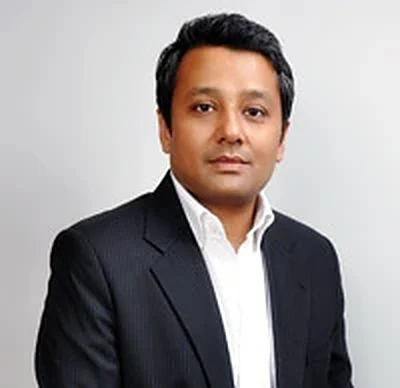
Dr Anupam Sinha
BDS, MDS - Orthodontics
- Delhi State Dental Council registration number A-6723 (2015).
Braces treatment · Greater Kailash 1, Delhi
Orion Dental Clinic is a dentist in Greater Kailash 1 (GK 1), South Delhi, where braces treatment is planned by Dr Anupam Sinha, who holds a master's degree in orthodontics. This page explains what braces do, the types, how long treatment takes, how visits work, what a retainer is for and what can go wrong, in plain language, so that you can choose with confidence.
Treatment is planned by Dr Anupam Sinha (BDS, MDS), and Dr Natalia DeSilva (BDS, MDS) also sees patients at the clinic. Ask as many questions as you need before you decide.
These figures come from NHS and British Orthodontic Society patient information and from a systematic review, listed at the end of the page. Your orthodontist will give the timeline for your own teeth.
Medically reviewed by Dr Anupam Sinha, BDS, MDS - Orthodontics, .
Quick answer
Braces treatment at Orion Dental Clinic in Greater Kailash 1, Delhi straightens teeth with brackets and a wire that move them gradually. Dr Anupam Sinha plans each case after an examination and records. Fixed braces usually take 18 to 24 months, with visits every six to eight weeks and a retainer afterwards.
01 Overview
Braces are a treatment to straighten teeth. With fixed braces, a small metal or ceramic bracket is attached to each tooth with dental glue, and a wire joins the brackets and applies gentle pressure that moves the teeth over time. Small elastic pieces, called modules, tie the wire to the brackets in many designs.1 At regular visits the orthodontist adjusts the wire, and when the teeth are in position the braces are removed and a retainer holds them there.
People have braces for several reasons: teeth that are crowded or stick out, an overbite or an underbite, large gaps between teeth, or teeth that are hard to chew with or to keep clean because of where they sit.1 You can read about two of the most common reasons on our pages for crooked teeth and gaps between teeth.
Fixed braces are the most common type of appliance and can move teeth very precisely, but many brands and designs exist, and the British Orthodontic Society notes that manufacturers' claims of better results are often not backed by scientific evidence.2 That is why this page explains the types plainly and ties each claim to a source.
Braces work by steady, gentle force over many months, so the plan, the visits and the retainer matter as much as the brackets.
02 Candidacy
Braces are often recommended for children and teenagers after all the adult teeth have come through, but adults can have them too.1 The orthodontist decides after an examination and records. See our pages for braces for kids and braces for adults.
Whether braces suit you depends on your teeth, your gums and your readiness to look after them, and the age matters less than the health of your mouth.
03 Options
There are several types of fixed braces, and clear aligners are a separate option. The main differences are how visible they are and how they hold the wire.
Stainless steel brackets are bonded to the teeth. They are the most common type and are robust, but they are visible and the coloured elastic rings can discolour between visits.2 See metal braces.
The most common type 2
The brackets are made of a hard, tooth-coloured ceramic, which makes them less obvious. They can be as effective as metal at moving teeth.2 See ceramic braces.
Tooth-coloured brackets 2
A built-in clip holds the wire instead of elastic rings, in metal or ceramic. There is no evidence that this gives a better result than conventional braces.2 See self-ligating braces.
Clip instead of elastics 2
Lingual braces are fitted behind the teeth so they cannot be seen, but they can affect speech at first and are harder to clean.2 Clear aligners, including Invisalign, are removable trays and are covered on their own pages.
| Metal | Ceramic | Self-ligating | Lingual | |
|---|---|---|---|---|
| How it looks | Silver brackets | Tooth-coloured brackets | Metal or ceramic | Hidden behind the teeth |
| Main advantage | Robust | Less obvious | Quicker wire changes | Cannot be seen |
| Main drawback | Visible, and elastics can stain | Harder to remove, and not always advised for the lower teeth in a deep bite | No proven better result | Speech and tongue problems at first, harder to clean |
The right type depends on your teeth and your priorities, and your orthodontist will explain what suits your bite.
04 Procedure
Every case is planned individually, so your steps may differ. This is the usual order for fixed braces.12
Most of the work happens between visits, and the retainer is part of treatment, not an extra.
The orthodontist asks about your health and what you would like to change, and examines your teeth, gums, jaws and bite. X-rays, photographs or scans help to plan the treatment.1
Decay and gum problems are treated first so that the teeth are healthy when the braces go on. If the plan needs space, your orthodontist will explain whether any teeth have to come out and why.
Brackets are attached to each tooth with dental glue, a wire joins them, and small elastic modules tie the wire to the brackets. Tell the orthodontist if a front tooth was ever knocked or damaged.1
You come back every six to eight weeks to have the braces adjusted.1 Thicker wires are used as treatment goes on, which puts more force on the teeth and is what patients often call tightening.2 In five studies the average was about 18 visits in total.3
Fixed braces usually stay on for 18 to 24 months.2 In a review of 22 studies the average was 19.9 months, so a little under two years.3 Broken brackets and missed visits can lengthen it.
At the end the brackets are removed and the teeth are left intact.2 Your orthodontist checks your bite and takes impressions or scans for the retainers.
All fixed brace treatment is followed by a retainer, because teeth tend to move back without one.24 Retainers can be fixed behind the teeth or removable, and your orthodontist will say how long to wear yours.
05 Aftercare
Your orthodontist will give you written advice for your braces, and that comes first. These are the basics from NHS patient information.1
Teeth can be sore for a few days after the braces are fitted and after adjustments. Soft food and pain relief taken as directed may help.1 Contact the clinic if teeth stay painful for more than a few days.
Brush with fluoride toothpaste in the morning, at night and after meals, and use an interdental brush every day between the teeth and under the braces.1
Cut back on sugary food and drink, which can cause decay. Avoid hard, crunchy and sticky food that can break the braces, cut food into smaller pieces, and do not chew gum.1
Keep seeing your regular dentist for check-ups while you have braces, and ring the clinic if a bracket or wire breaks, so that treatment is not held up.1
Call the clinic on 098115 01995 the same day if a wire is poking into your cheek or gum and wax does not help, if a bracket or band comes off and you have pain or a sharp edge, if your gums are very red, swollen or painful, or if a tooth feels loose or has been knocked. Tell us if you notice a white or chalky mark on a tooth. If you have trouble breathing or swallowing, or swelling that spreads across your face or neck, call 112 or go to a hospital emergency department.
Clean around the braces every day, choose food carefully and call early if something breaks.
06 Limits and risks
Braces are a long treatment and they do not suit everyone at every time. A good orthodontist is willing to say wait. These are situations where braces may be delayed or a different plan made:
In these cases the first step may be treatment of the teeth and gums, a wait until the adult teeth are through, or a different way of moving the teeth.
Decay and gum problems. Food and plaque collect around brackets, so sugary food and drink can lead to tooth decay, and gums can become red, swollen and painful if the teeth are not kept clean.1 A white mark on a tooth can be an early sign of decay and is worth reporting.
Shortened tooth roots. An overview of 28 systematic reviews found that the roots of teeth are shortened more often and more severely during fixed brace treatment, especially with heavy force and long treatment. The authors say that cause and effect has not been confirmed, and they recommend light forces and regular monitoring.5
Teeth can move back. Without a period of retention after braces, teeth tend to relapse towards their first position. Cochrane reviewers found the evidence on which kind of retainer holds teeth most steadily to be of low or very low certainty.4
Breakages and a longer treatment. Hard foods can break brackets and disrupt treatment.2 The average length in 22 studies was 19.9 months, but your own timeline depends on your teeth and on how well you keep to visits and care.3
A good plan names these risks before treatment starts, and the retainer protects the result afterwards.
07 Your visit
At your first visit, a dentist at Orion Dental Clinic asks what you would like to change about your teeth, and about your health, medicines, allergies and any earlier dental treatment. If you are bringing a child, please bring any previous X-rays or reports.
The orthodontist examines your teeth, gums, jaws and bite, and may take X-rays, photographs or scans. You then talk through the types of braces, how long treatment is likely to take, how often you would come in, what a retainer involves and what the risks are, so that you can compare the options and take your time to decide.
The first visit is for questions and a plan, and braces are never fitted that day.
08 Why this clinic
You meet the doctors who plan your treatment, and you can ask them anything.
Dr Anupam Sinha
BDS, MDS - Orthodontics

Dr Natalia DeSilva
BDS, MDS - Oral Medicine and Radiology
Dr Anupam Sinha holds a master's degree in orthodontics (MDS) and is a member of the Indian Orthodontic Society.
Patients who had braces at the clinic describe their treatment in reviews of Dr Anupam Sinha, including adults and children.
Imaging is available at the clinic, so X-rays do not have to be arranged elsewhere.
Ask to meet the doctor who will plan your braces before you decide.
09 Reviews
“I had very crooked teeth plus one of my front tooth was broken. I visited Dr Anupam’s clinic in Greater Kailash for my ortho treatment. I had my braces for about 2.5 years post which it is a near perfect alignment. Dr Anupam and the team helped with everything patiently throughout the treatment.”
“I am extremely happy with the treatment by Dr. Anupam Sinha. I got my braces done by him and I would surely recommend it to all. The Staff and Doctor himself is very polite and co-operative. I am very grateful and thankful to Orion Dental Clinic for such an incredible work.”
“I whole heartedly recommend Dr. Anupam Sinha and his clinic for his remarkable expertise to anyone who seeks top-notch wellness in their dental health. I got my braces done from him, and I am completely satisfied with the treatment I got. The welcoming nature of the staff, scheduling appointments as per the patient's convenience and the cleanliness made the environment really comfortable for me. Happy smiling :)”
10 Visit us
Mon to Sat, 9:30 am to 8:00 pm
Orion Dental Clinic Basement, E 75, Greater Kailash-1,| Monday to Saturday | 9:30 am to 8:00 pm |
|---|---|
| Sunday | Closed |
If you are looking for braces treatment in Greater Kailash or nearby, Orion Dental Clinic is in the basement of E 75, Greater Kailash Enclave 1 (GK 1), opposite Anubhav Play School, with the entrance at Gate 1, so call or message us on WhatsApp to book an appointment and use the map for directions. More about the clinic: dentist in Greater Kailash.
11 Travelling patients
Fixed braces need a visit every six to eight weeks for about a year and a half to two years,12 so they suit people who can come to the clinic regularly. If you live in another city or country, tell us honestly where you live and how often you could visit, and we will say whether treatment here is practical for you.
You can read our guide to braces and Invisalign for international patients. Our guide to how dental tourism in Delhi works explains the general steps.
Braces are a long treatment, so choose a plan that matches how often you can really attend.
12 Questions
Teeth can be sore for a few days after the braces are fitted and after adjustments, and soft food and pain relief taken as directed may help. Contact the clinic if your teeth are painful for more than a few days.1
Braces are often recommended for children and teenagers once all the adult teeth have come through, and adults can have them too.1 See braces for kids and braces for adults.
Avoid hard, crunchy and sticky food, which can break the braces, and cut back on sugary food and drink, which can cause decay. Do not chew gum.1
It depends on your teeth and your priorities. Metal braces are the most common and ceramic braces are less obvious, and the pages on metal braces and ceramic braces explain the differences in detail.
Orion Dental Clinic is a braces treatment clinic in Greater Kailash 1 (GK 1), in the basement of E 75, Greater Kailash Enclave 1, opposite Anubhav Play School, with the entrance at Gate 1. Patients come for braces treatment in Greater Kailash from Kailash Colony, CR Park, Nehru Place, Lajpat Nagar, Defence Colony and South Extension. Call or message us on WhatsApp to book an appointment.
13 Second opinion
A consultation lets you ask what braces would involve before you commit to anything. Bring any earlier X-rays or reports if you have them. The orthodontist will examine your teeth, explain what they find and describe the options, including leaving things as they are. There is no form to fill in: message us on WhatsApp or call, and we will find a time that suits you.
14 Related
Read this for how stainless steel braces work and what daily life with them is like.
Read this for tooth-coloured braces and who they may suit.
Read this for removable clear trays as an alternative to fixed braces.
Patient guides
Why braces come in so many versions, what really differs between metal, ceramic and self-ligating designs, and which differences matter for your treatment.
Why teeth move back after braces or aligners, the main kinds of retainer, how long to wear them, how to clean them and what to do if one breaks.
The real risks of braces, including decay, white marks, gum problems, root shortening and relapse, how common they are and how to reduce them.
This page is general information, not a diagnosis or a substitute for an examination, and results vary between patients.