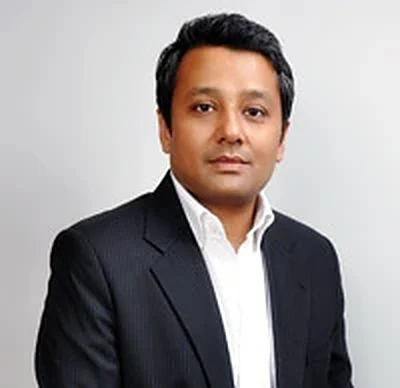
Dr Anupam Sinha
BDS, MDS - Orthodontics
- Delhi State Dental Council registration number A-6723 (2015).
Crooked teeth · Greater Kailash 1, Delhi
Crooked or crowded teeth can be straightened at almost any age, and the choice is between fixed braces, aligners and doing nothing. At Orion Dental Clinic, a dentist in Greater Kailash 1 (GK 1), South Delhi, this page explains how crooked teeth are assessed and treated, how long it takes, what the research says about whether crooked teeth cause decay or gum problems, and what can go wrong, in plain language.
Treatment is planned by Dr Anupam Sinha (BDS, MDS) and Dr Natalia DeSilva (BDS, MDS). Ask as many questions as you need before you decide.
These statements come from NHS patient information and systematic reviews, listed at the end of the page. Your orthodontist will give you a timeline for your own teeth.
Medically reviewed by Dr Anupam Sinha, BDS, MDS - Orthodontics, .
Quick answer
Crooked teeth at Orion Dental Clinic in Greater Kailash 1, Delhi can be straightened with fixed braces or aligners, usually over one to two years, followed by a retainer. Dr Anupam Sinha and Dr Natalia DeSilva plan each case after an examination and records. The research links crowding to decay and gum inflammation, but cannot show cause.
01 Overview
The NHS says braces may help with teeth that are crowded, stick out or have large gaps, and with overbite or underbite, where the jaws do not meet properly. They are also used when the position of the teeth makes eating or cleaning difficult.1 Adults can have braces, and a fixed brace usually stays in place for one to two years, with adjustments every six to eight weeks.1
Crooked teeth are often said to cause decay and gum disease, but the evidence is less clear. A review of four cross-sectional studies found an association between malocclusion and dental caries in adolescents,4 and a review of 19 studies found that crowding and lack of spacing may be associated with higher odds of gingivitis in people under 18, but with very low-certainty evidence, and it says cause cannot be inferred.5 The NHS page describes only straightening the teeth and making eating and cleaning easier.1
When braces come off, a retainer is needed to stop the teeth moving back, and the orthodontist sets how long to wear it.1 Our pages on braces treatment and clear aligners explain the options in detail.
Straightening crooked teeth is mainly about how the teeth look, work and clean, and the evidence on disease prevention is weak.
02 Candidacy
Many people have slightly uneven teeth and never need treatment. The orthodontist decides after an examination.
Treatment is a choice, and leaving mild crookedness alone is one of the options.
03 Options
The options differ in how long they take and what the evidence shows.
Brackets on the teeth and a wire that is changed as treatment goes on. The NHS says a fixed brace stays in place for one to two years,1 and in 22 studies treatment averaged 19.9 months.2
19.9 months on average 2
Removable clear trays that move the teeth in steps. Our clear aligners page explains what the research shows, including that they are less predictable than braces in some situations.
Removable
For adults, our braces for adults page explains the differences, and for children see braces for kids.
| Fixed braces | Clear aligners | Retainers | |
|---|---|---|---|
| What it involves | Brackets and wire, visits every 6 to 8 weeks 1 | Removable trays worn most of the day | Fixed or removable, worn after braces 1 |
| How long | 1 to 2 years; 19.9 months on average 12 | Depends on the case | As long as the orthodontist advises 1 |
| Main limit | Decay risk with sugary food, broken braces 1 | Needs discipline to wear them | Teeth move back without them 1 |
The method matters less than finishing treatment and wearing the retainer.
04 Procedure
Every case is individual, so your steps may differ. This is the usual order.
Treatment takes about a year and a half to two years of regular visits, and then retention starts.
The orthodontist looks at how the teeth and jaws meet, checks the gums and teeth for decay, and asks what bothers you about your smile and bite.1
X-rays, photographs and models or scans of the teeth show how the teeth and jaws are placed, and are used to plan treatment.
Any decay or gum disease is treated before braces go on, because fixed braces make cleaning harder.1
You talk through fixed braces, aligners and doing nothing, and what each means for time, comfort and cleaning.
The appliance is fitted, and you are shown how to clean around it. Soreness for a few days after fitting or adjustment is common.1
You return every six to eight weeks for adjustments, for one to two years in all.1
When the teeth are in position the braces are removed and a retainer holds them there.1
05 Aftercare
Your orthodontist will give you written instructions, and those come first. These are the basics from the NHS.1
Tooth decay is a risk of braces, linked to sugary food and drink, so keep them to meal times and clean well afterwards.1
Hard, crunchy or sticky foods can break braces, and chewing gum can get stuck.1
Teeth can be sore for a few days after the brace is fitted or adjusted. Contact the orthodontist if gums are very red, swollen or painful.1
Wear it as you are told, because without it the teeth can move back.1
Call the clinic on 098115 01995 if a bracket or wire breaks or pokes your cheek, if your gums are very red, swollen or painful, or if teeth stay painful for more than a few days. If you have trouble breathing or swallowing, or swelling that spreads across your face or neck, call 112 or go to a hospital emergency department.
Keep the braces clean, avoid the foods that break them, and wear your retainer.
06 Limits and risks
Straightening takes time and effort, and it does not suit everyone. These are situations where another plan may be better:
In these cases leaving the teeth alone, treating the mouth first, or a cosmetic treatment may be better.
Decay, broken braces and soreness. The NHS lists tooth decay linked to sugary food and drink, broken braces, stuck chewing gum and soreness for a few days after fitting or adjustment.1
Relapse without a retainer. Teeth can move back after braces if a retainer is not worn.1
The link with disease is weak. The reviews found an association of malocclusion with caries and crowding with gingivitis, but the evidence was cross-sectional and very low certainty, and cause cannot be inferred, so do not expect straightening alone to prevent disease.45
Treatment is long. Fixed braces took 19.9 months on average in 22 studies, and your own time depends on the case.2
A good plan names these limits before treatment starts and sets out the retainer that follows.
07 Your visit
At your first visit, a dentist at Orion Dental Clinic asks what bothers you about your teeth and bite, whether you have had braces before, and what you would like to change. You are asked about your health, medicines, allergies and any habits that affect the teeth.
The dentist examines your teeth, gums and bite and takes X-rays where needed. You then talk through what is going on, which options there are, how long each would take, what the risks are and what leaving the teeth would mean, and you can take your time to decide.
The first visit is for an examination and a plan, and nothing is fitted until you agree.
08 Why this clinic
You meet the doctors who plan your treatment, and you can ask them about the options and how long each would take.
Dr Anupam Sinha
BDS, MDS - Orthodontics

Dr Natalia DeSilva
BDS, MDS - Oral Medicine and Radiology
Dr Anupam Sinha and Dr Natalia DeSilva see patients with crooked teeth, and patients mention braces treatment with Dr Anupam Sinha in their reviews.
Braces and aligners for children and adults can be discussed at the same clinic.
Imaging is available at the clinic, so the X-rays used to plan treatment can be taken there.
Ask how long treatment would take for your teeth, and what the retainer plan would be.
09 Reviews
“I am extremely happy with the treatment by Dr. Anupam Sinha. I got my braces done by him and I would surely recommend it to all. The Staff and Doctor himself is very polite and co-operative. I am very grateful and thankful to Orion Dental Clinic for such an incredible work.”
“I whole heartedly recommend Dr. Anupam Sinha and his clinic for his remarkable expertise to anyone who seeks top-notch wellness in their dental health. I got my braces done from him, and I am completely satisfied with the treatment I got. The welcoming nature of the staff, scheduling appointments as per the patient's convenience and the cleanliness made the environment really comfortable for me. Happy smiling :)”
“I had an amazing experience getting orthodontic treatment (braces) from Dr. Anupam. He solved my problem of severe crowding and misaligned teeth without any teeth extraction, which was my primary concern. Highly recommended”
10 Visit us
Mon to Sat, 9:30 am to 8:00 pm
Orion Dental Clinic Basement, E 75, Greater Kailash-1,| Monday to Saturday | 9:30 am to 8:00 pm |
|---|---|
| Sunday | Closed |
If you are looking for a dentist for crooked teeth in Greater Kailash or nearby, Orion Dental Clinic is in the basement of E 75, Greater Kailash Enclave 1 (GK 1), opposite Anubhav Play School, with the entrance at Gate 1, so call or message us on WhatsApp to book an appointment and use the map for directions. More about the clinic: dentist in Greater Kailash.
11 Travelling patients
Fixed braces need adjustment visits every six to eight weeks for one to two years,1 so they suit people who can attend regularly or who have an orthodontist at home to continue. An examination, records and a treatment plan can be done in one visit. Tell us how long you can stay and we will say what is possible.
You can read about how dental tourism in Delhi works.
Plan the first visit in Delhi, and decide who will do the adjustments.
12 Questions
Yes. The NHS says adults can have braces, although on the NHS they usually pay privately.1 A dentist can explain the options and what they involve.
A review of four studies found an association between malocclusion and caries in adolescents,4 but the studies were cross-sectional, so they cannot show cause.
A review of 19 studies suggested crowding may be linked with higher odds of gingivitis in young people, with very low-certainty evidence, and cause cannot be inferred.5
Yes. After braces, a retainer is needed to stop the teeth moving back, and the orthodontist says how long to wear it.1
Tooth decay linked to sugary food and drink, broken braces, stuck chewing gum and soreness for a few days after fitting or adjustment.1
No. Mild crookedness can be left alone, and the dentist should discuss this as an option.
It depends on the case. Our clear aligners page sets out what the research shows.
Orion Dental Clinic is a dentist for crooked teeth in Greater Kailash 1 (GK 1), in the basement of E 75, Greater Kailash Enclave 1, opposite Anubhav Play School, with the entrance at Gate 1. Patients come for crooked teeth in Greater Kailash from Kailash Colony, CR Park, Nehru Place, Lajpat Nagar, Defence Colony and South Extension. Call or message us on WhatsApp to book an appointment.
13 Second opinion
A consultation lets you find out what is going on with your teeth, and what your choices are, before you commit to anything. The orthodontist will examine your teeth and bite, explain what they find and describe the options, including leaving things as they are. There is no form to fill in: message us on WhatsApp or call, and we will find a time that suits you.
14 Related
Read this for fixed braces in detail.
Read this for removable clear trays.
Read this if the issue is spacing rather than crowding.
Patient guides
What malocclusion means, the common types of bite problem, their causes and symptoms, and how braces, aligners and other treatments correct them.
Why some dental implants need a bone graft, how it is done, how long it adds to treatment, what it feels like and what the alternatives are.
How cavities form, the signs to look for at each stage, how fillings and other treatments work, and the habits that prevent decay.
This page is general information, not a diagnosis or a substitute for an examination, and results vary between patients.